Tracking the information about your manuscript
Communicate with the editorial office
Query manuscript payment status Edit officeCollecting, editing, reviewing and other affairs offices
Managing manuscripts
Managing author information and external review Expert Information Expert officeOnline Review
Online Communication with the Editorial Department
Information
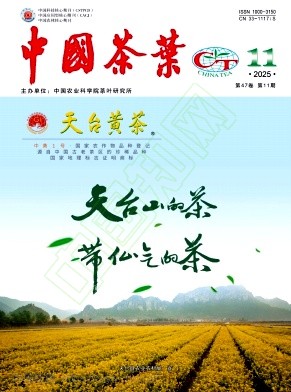
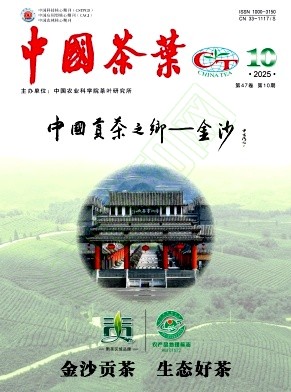
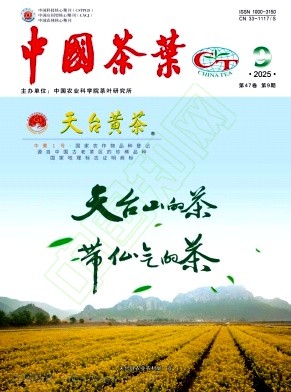
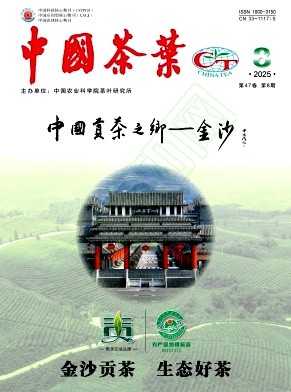
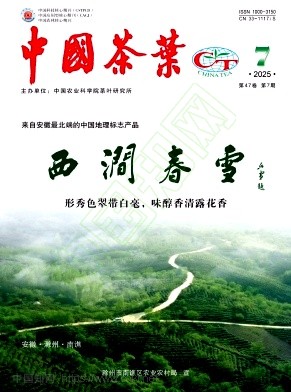
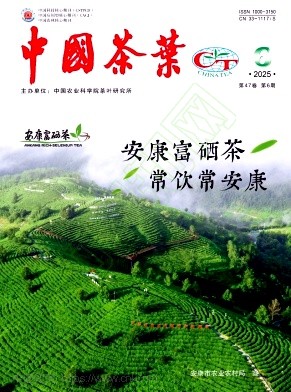
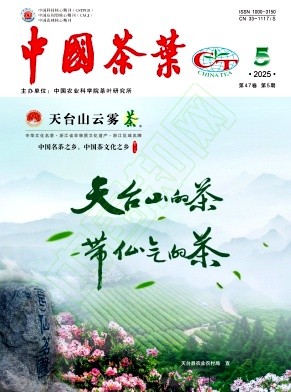
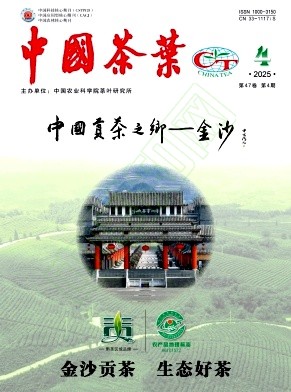
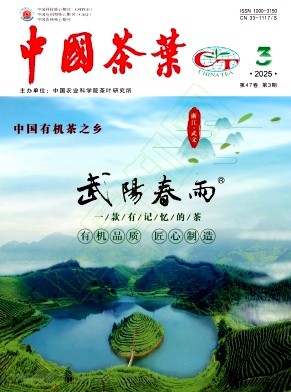
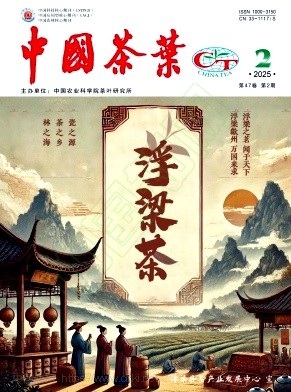
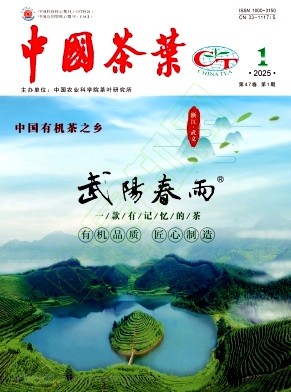
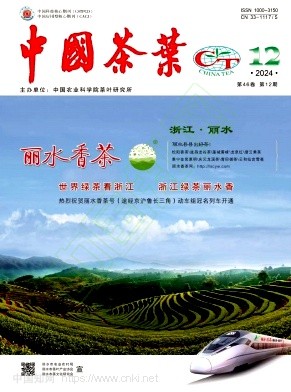
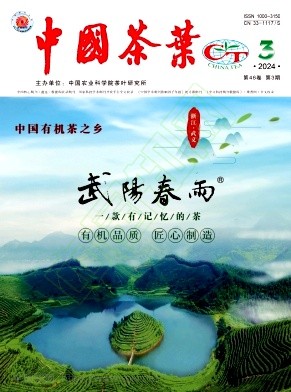
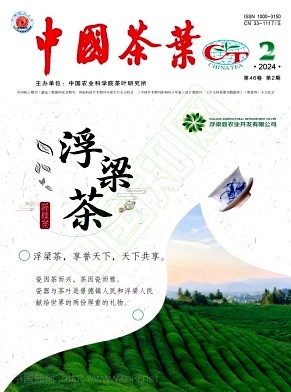
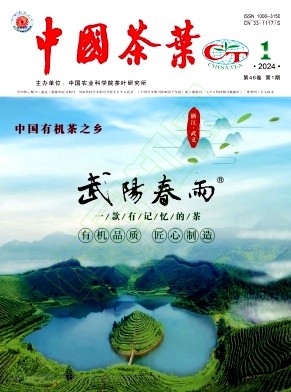
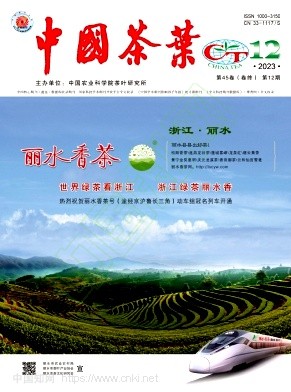
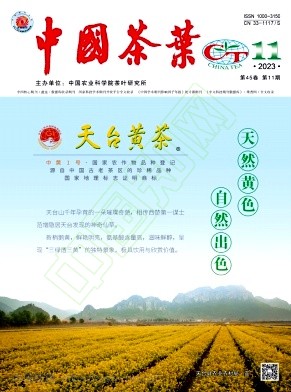
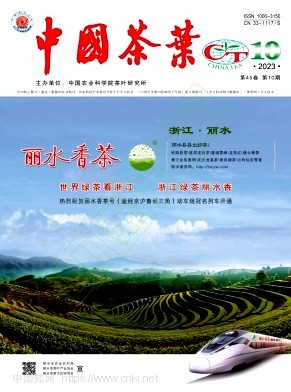
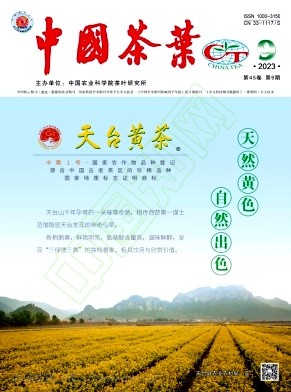
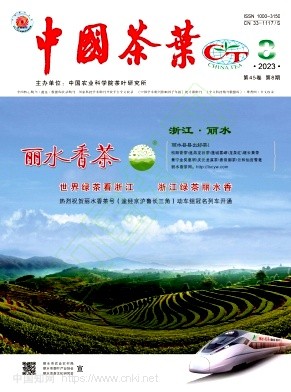
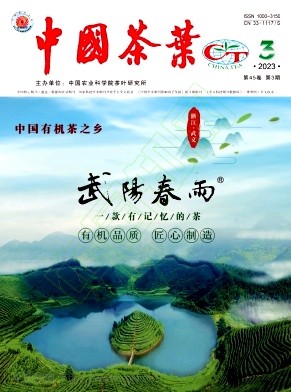
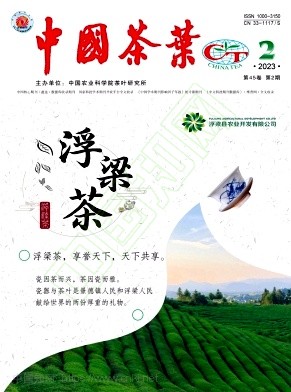
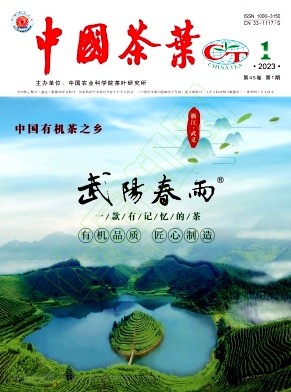
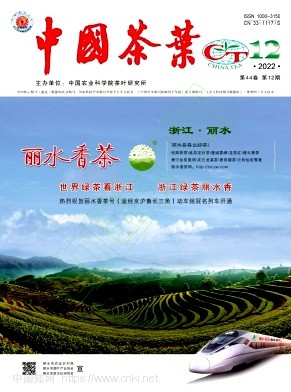
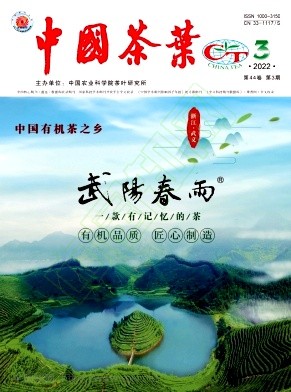
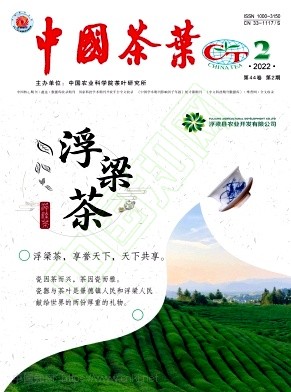
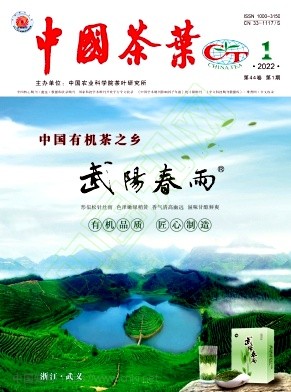
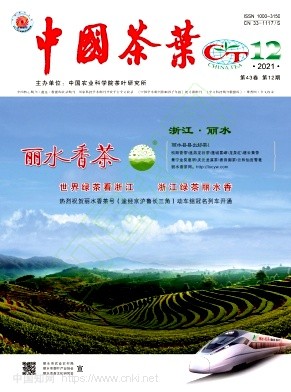
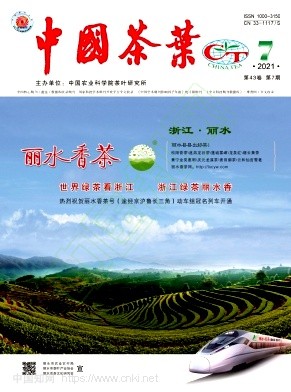
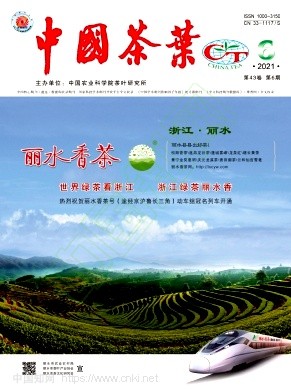
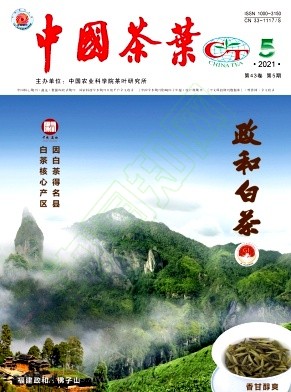
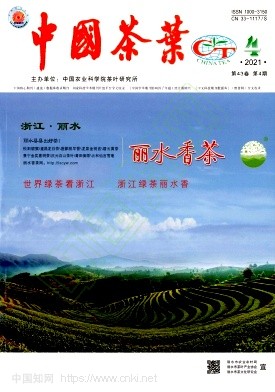
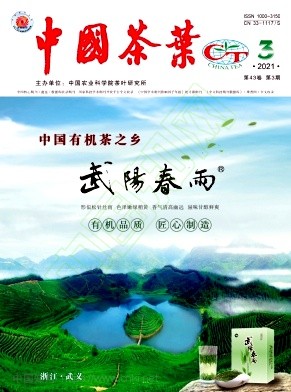
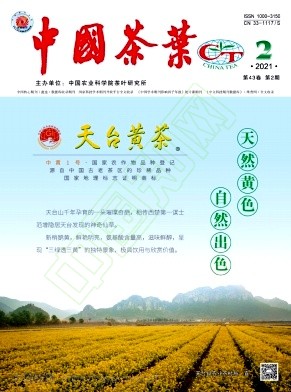
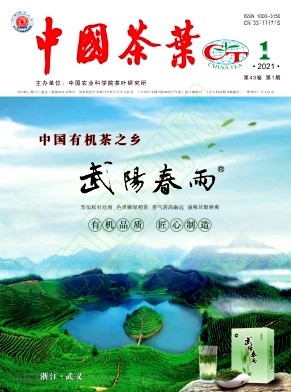
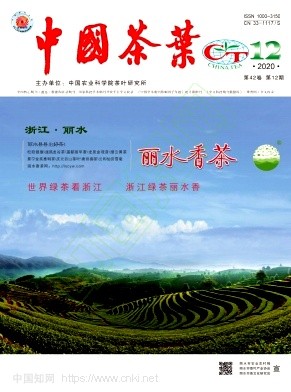
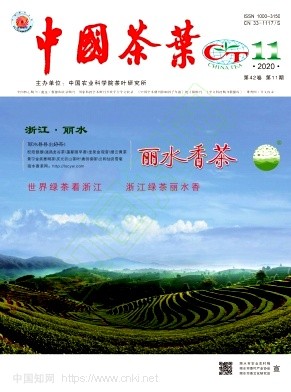
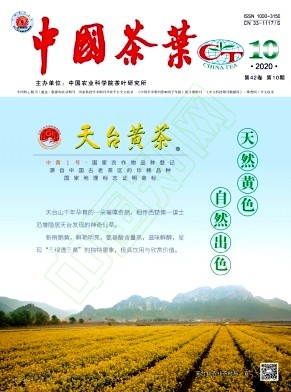
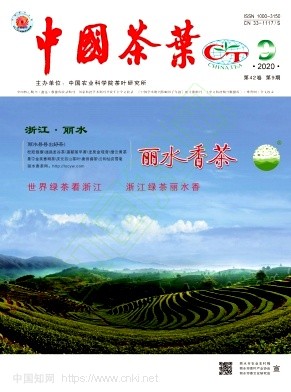
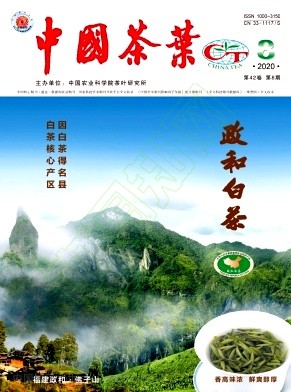
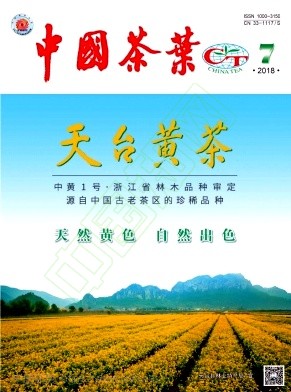
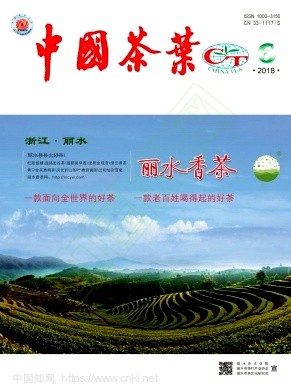
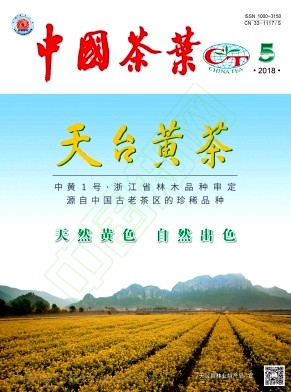
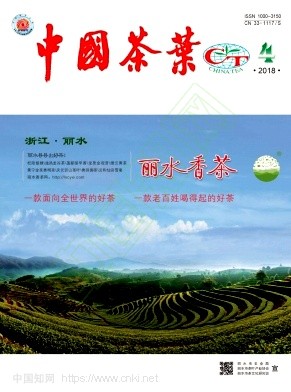
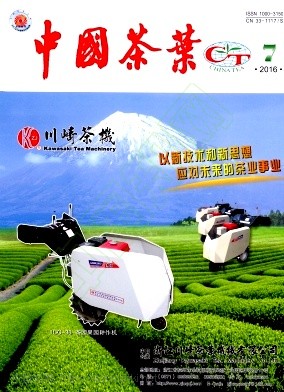
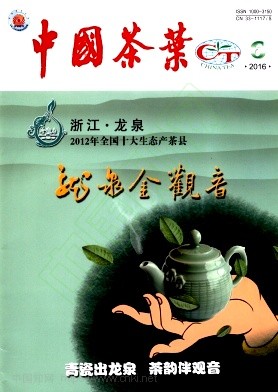
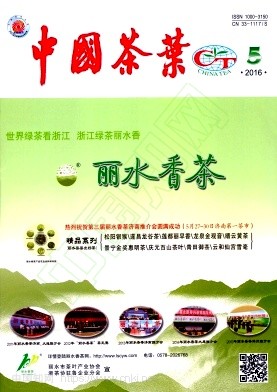
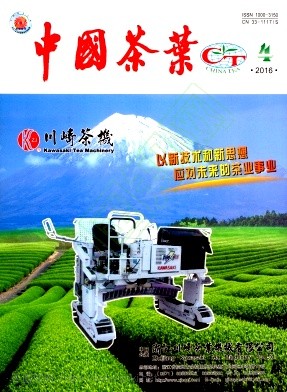
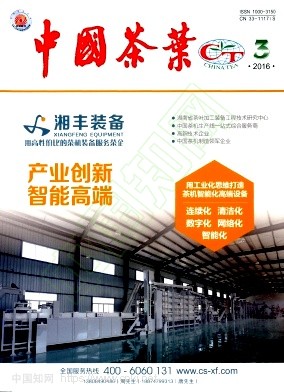
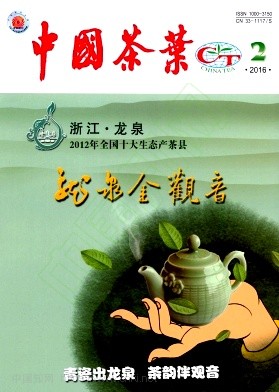
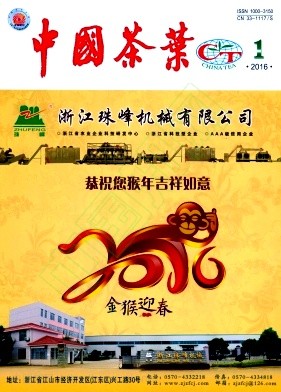
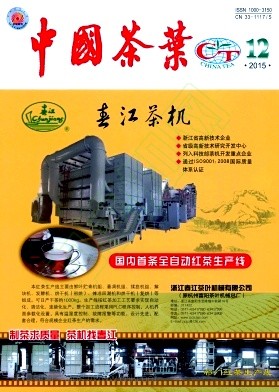
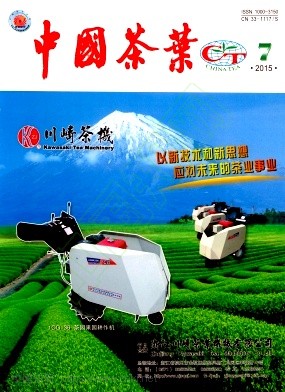
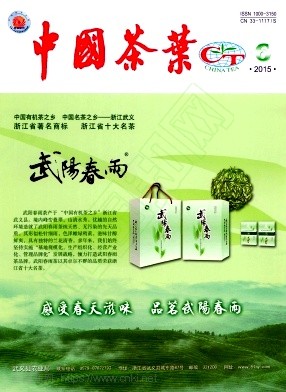
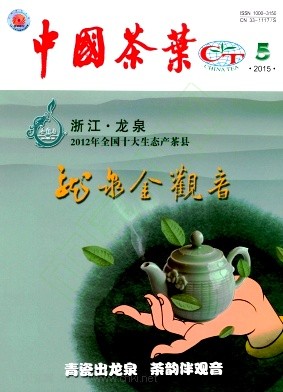
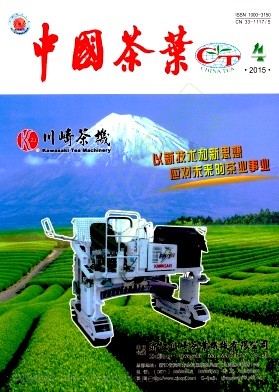
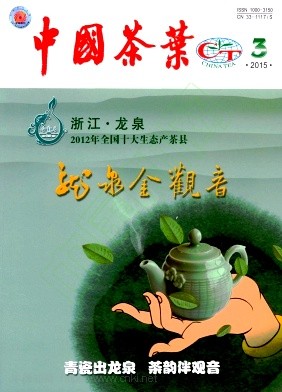
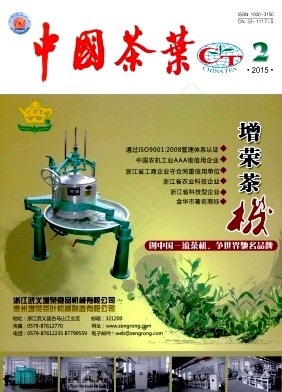
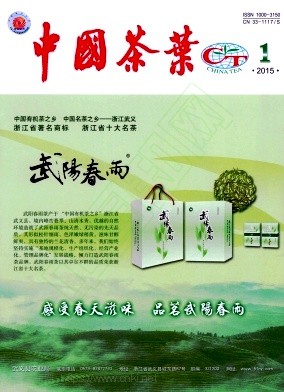
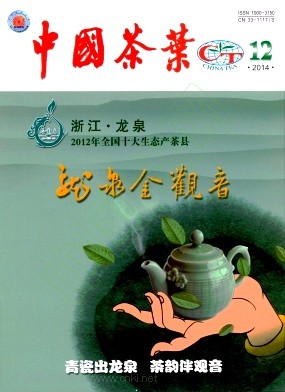
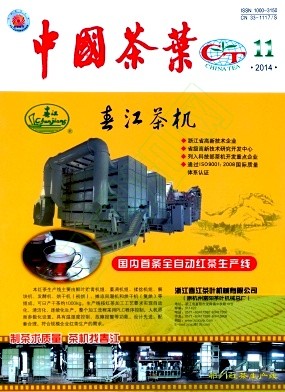
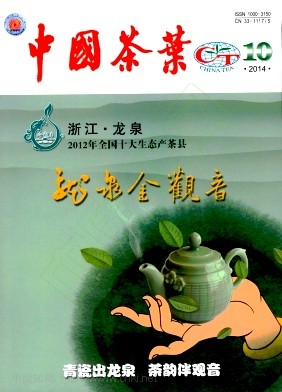
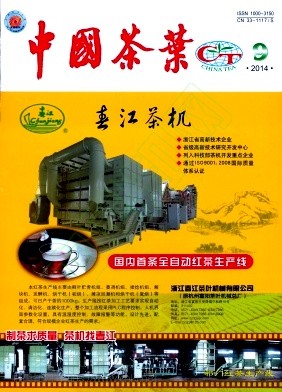
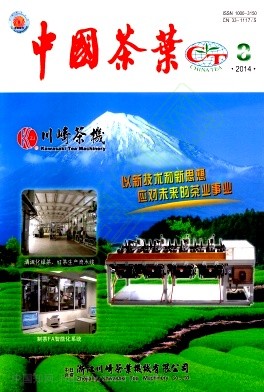
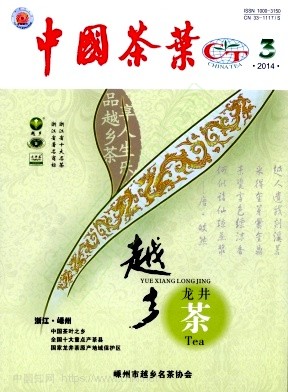
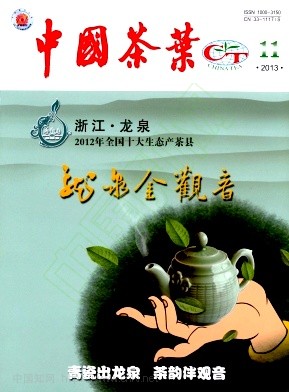
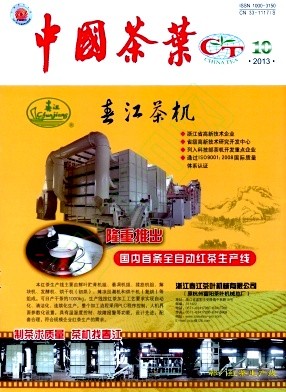
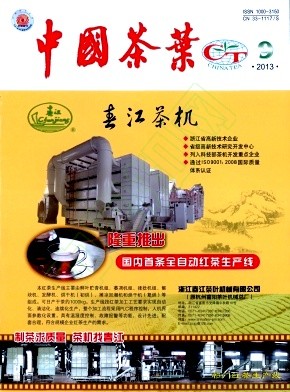
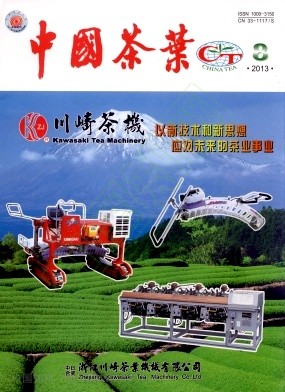
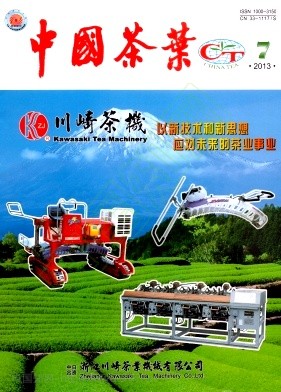
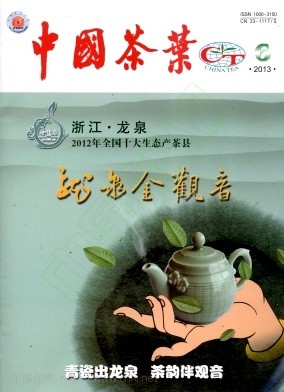
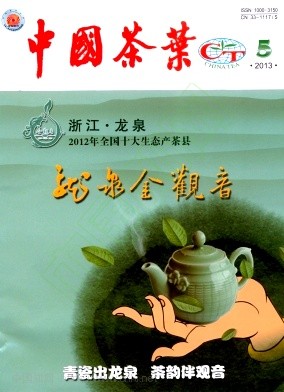
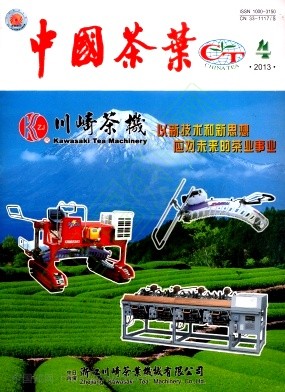
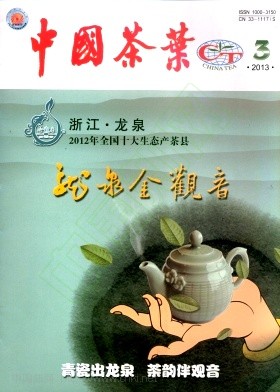
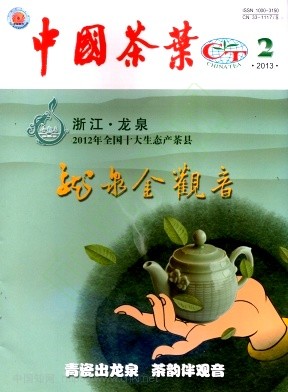
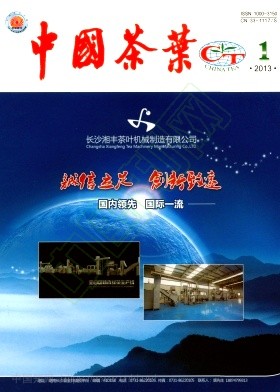
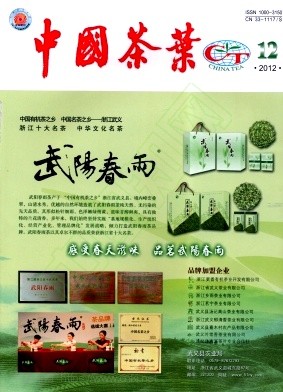
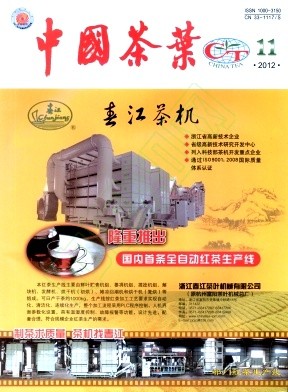
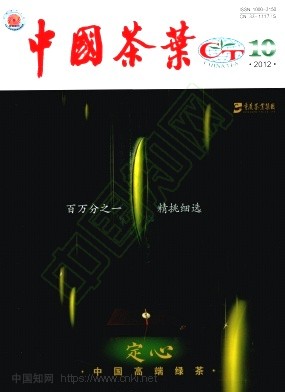
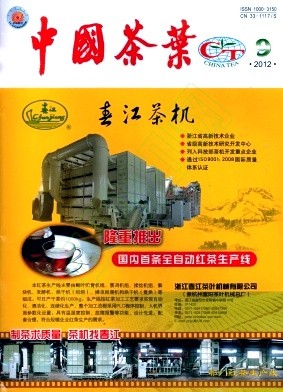
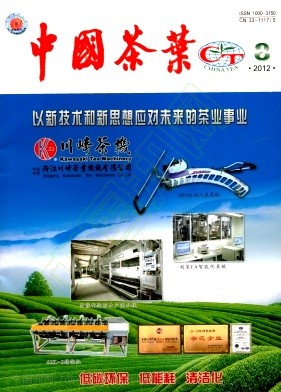
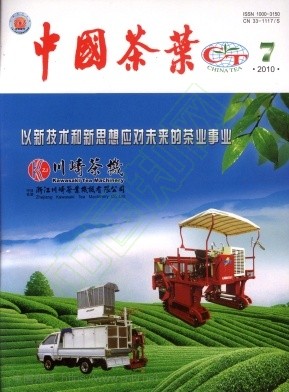
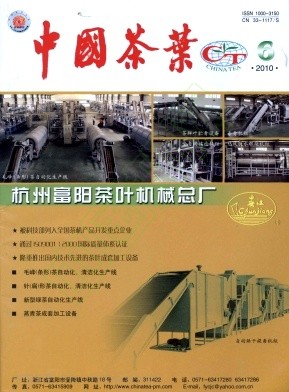
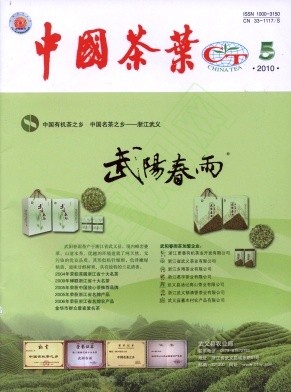
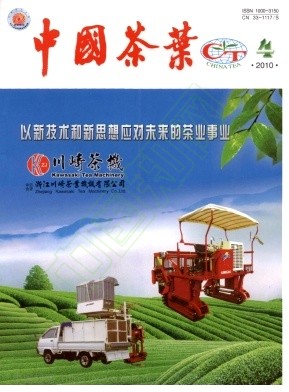
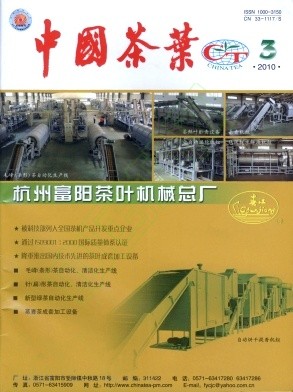
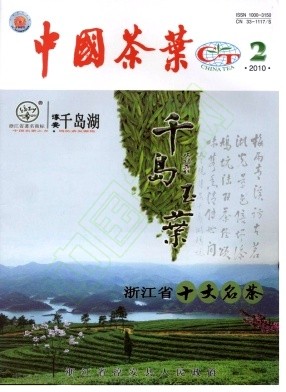
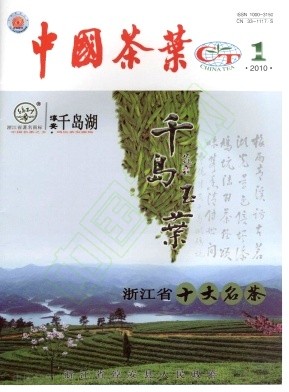
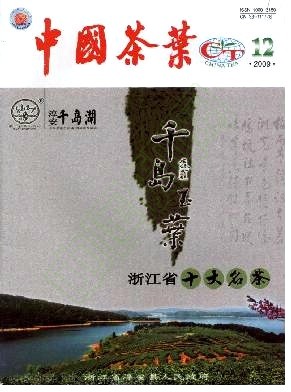
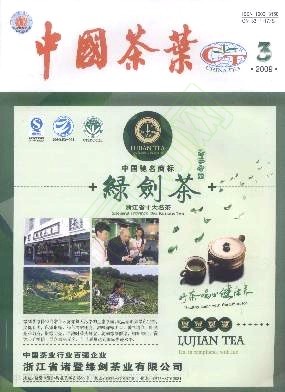
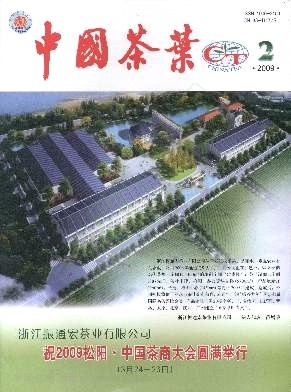
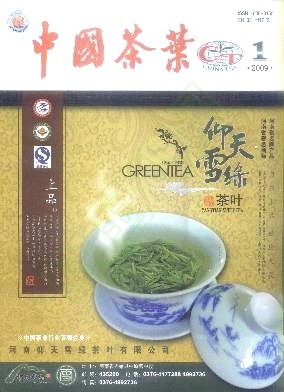
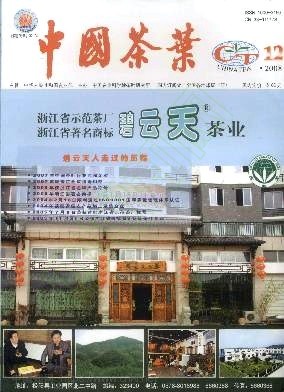
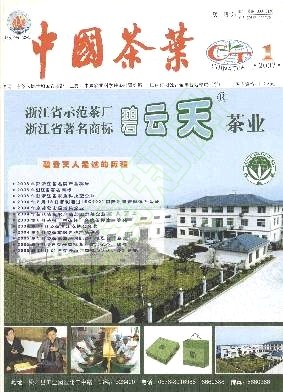
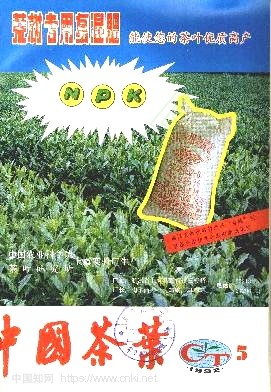
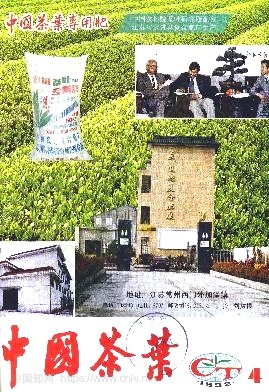
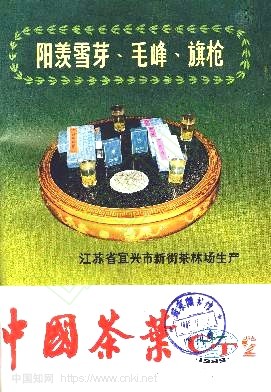
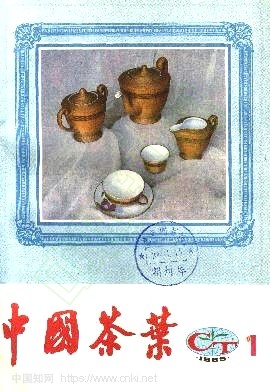
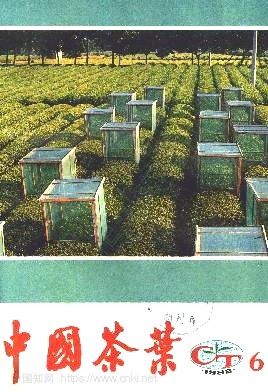
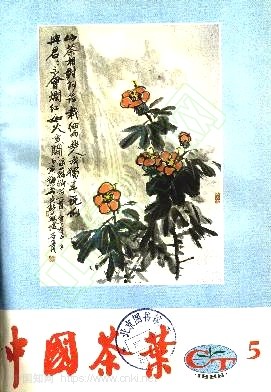
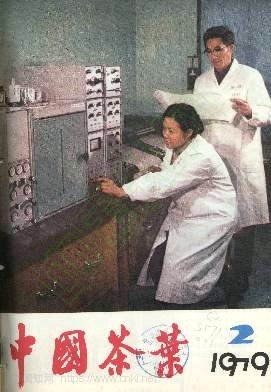
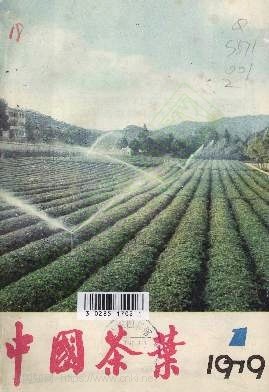
Journal Name: China Tea
English name: China Tea
Founding:May, 1979
Format:Large 16
Language: Chinese
Publication Period:Monthly
Place of publication: Hangzhou, Zhejiang Province
ISSN:1000-3150
CN:33-1117/S
Supervisor: Ministry of Agriculture and Rural Development of the People's Republic of China
Organizer:Chinese Academy of Agricultural Sciences, Tea Research Institute, China Tea Editorial Board
Editor-in-Chief: Liu Zhonghua, Yang Yajun
Editor-in-Chief: Weng Wei
Postal Code: 32-34
Supported by
Wuyi County Wuyang Chunyu Tea Brand Management Office
Fuliang County Tea Industry Development Center
Qingyuan Agriculture and Rural Development Bureau
Taishun Agriculture and Rural Affairs Bureau
Sichuan Tea Brand Promotion Association
Pinghe County People's Government
Ankang Agriculture and Rural Bureau
Shanxi Hanzhong Tea Industry Development Center
Yibin Tea Industry Research Institute
Innovation Team of Tea Deep Processing and Diversified Utilization, Chinese Academy of Tea Science
Shengzhou Agriculture and Rural Affairs Bureau
Yichang Tea Industry Association
Wufeng Tujia Autonomous County Agriculture and Rural Affairs Bureau
Hubei Hefeng County Tea Industry Development Promotion Center
Pingyang County Agriculture and Rural Affairs Bureau
Hangzhou Yifutang Tea Industry Co.
Liumiao White Tea Co.
Guangxi Wuzhou Tea Factory Co.
Key Laboratory of Tea Science, Hunan Agricultural University
Songxi County Tea Industry Development Center
Ningde City Jiaocheng District Tea Industry Development Center
Datian County Agriculture and Rural Affairs Bureau
Ya'an Mingshan District Agriculture and Rural Affairs Bureau
Zhaoan County Tea Association
Xinchang County Famous Tea Association
Fujian Dayu Tea Co.
Fuding City Tea Industry Development Leading Group
Fujian Yurongxiang Tea Industry Co.
Hangzhou West Lake Longjing Tea Backbone Enterprise Union
Journal Introduction
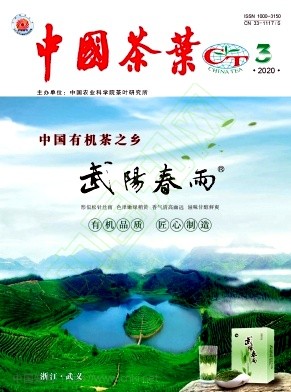
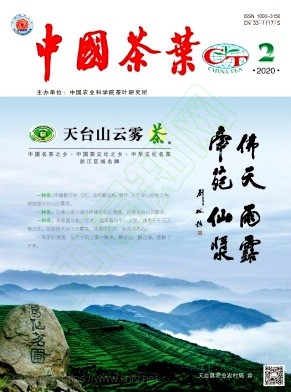
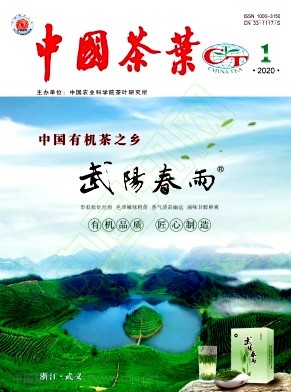
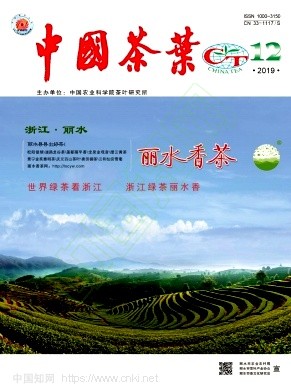
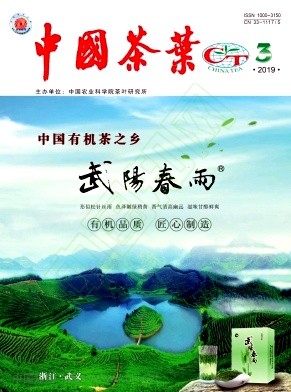
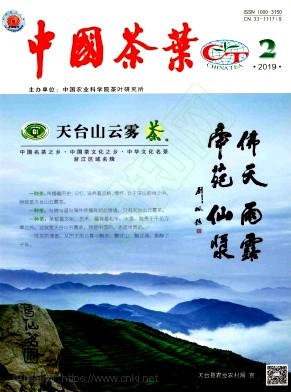
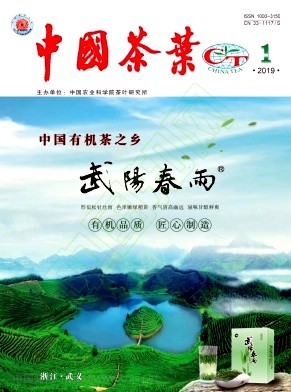
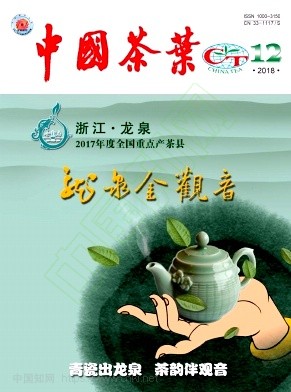
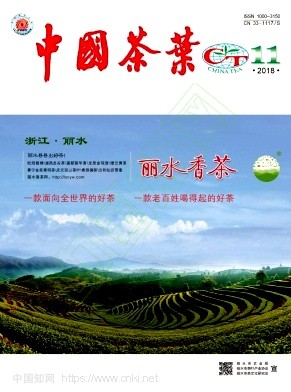
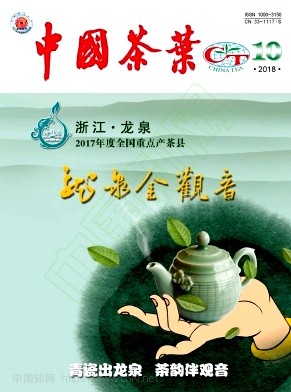
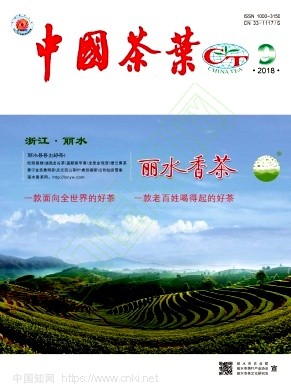
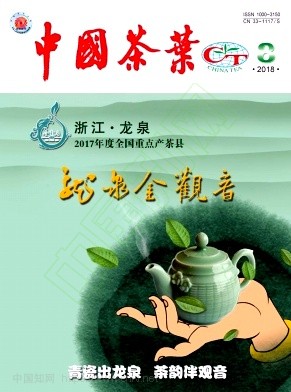
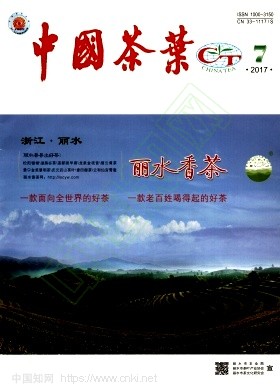
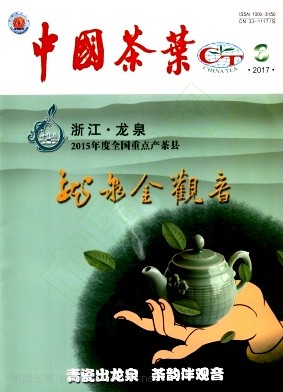
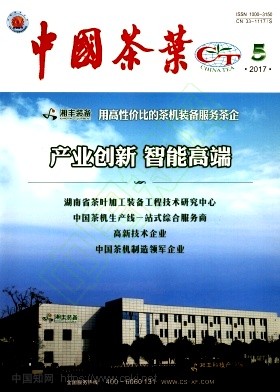
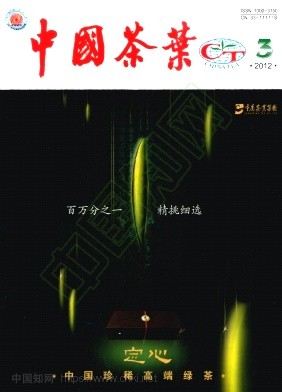
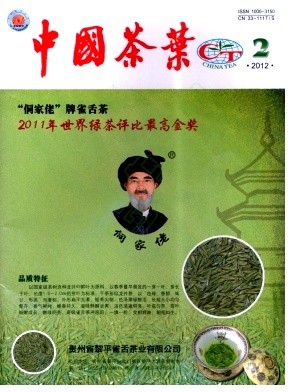
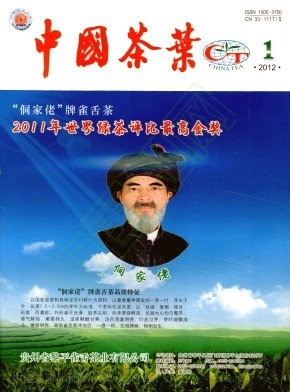
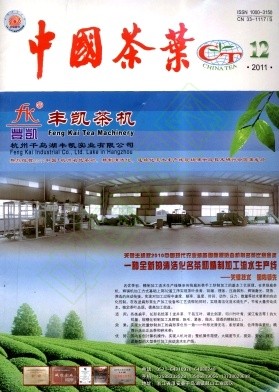
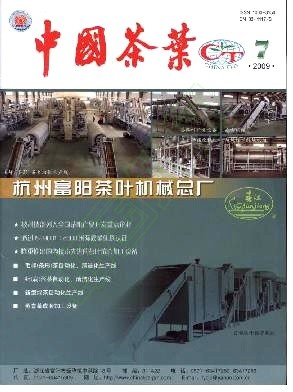
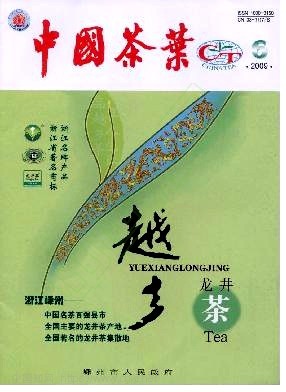
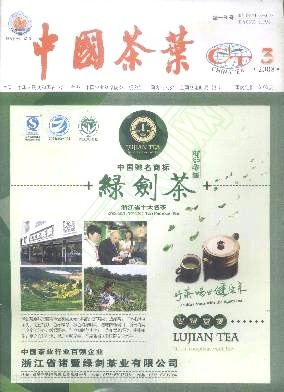
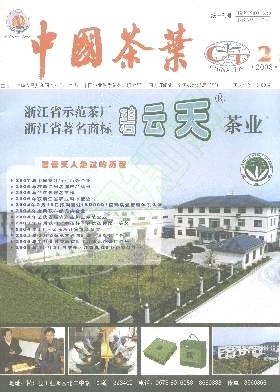
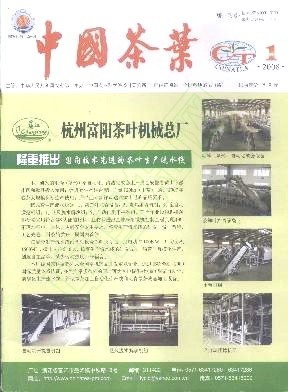
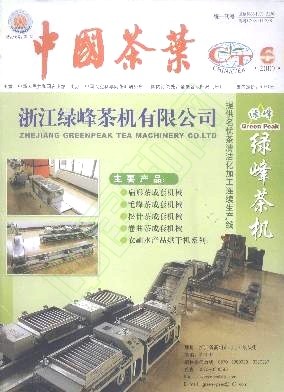
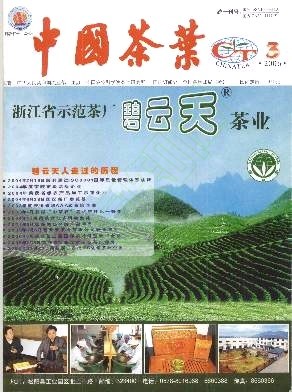
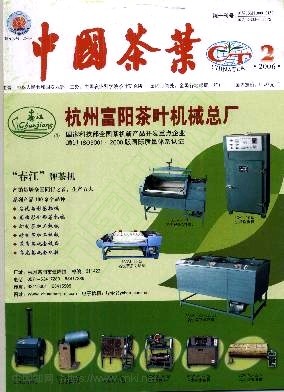
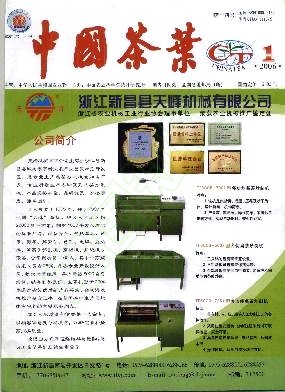
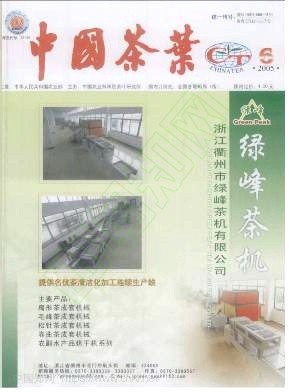
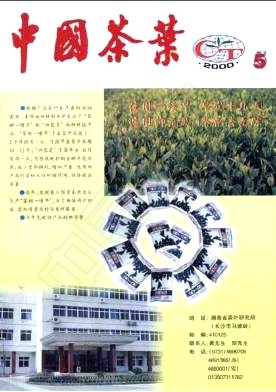
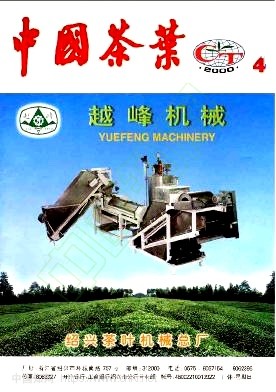
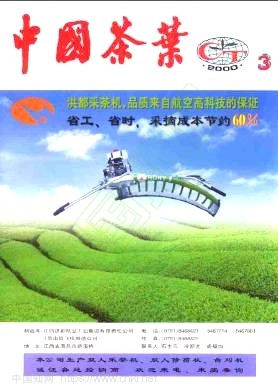
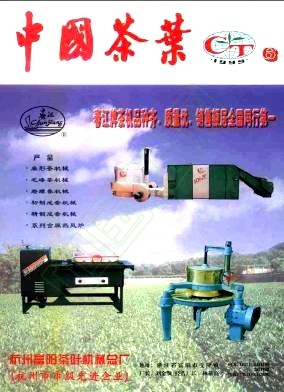
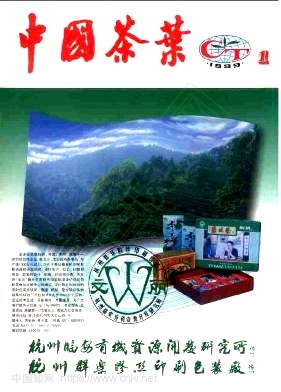
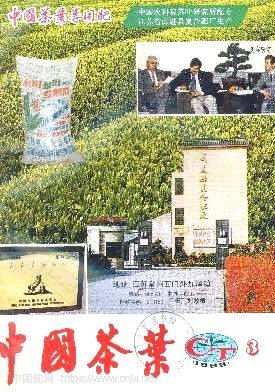
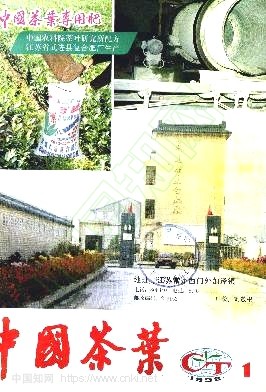
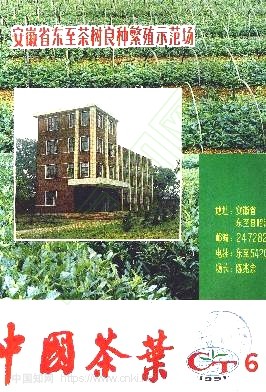
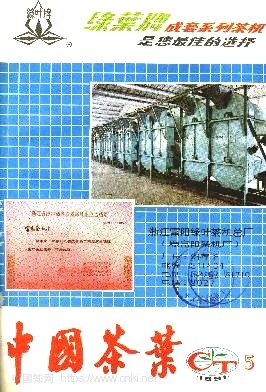
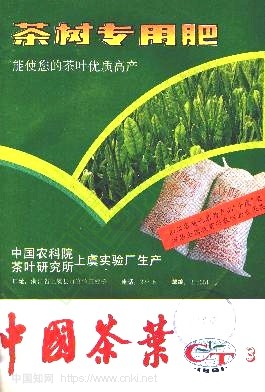
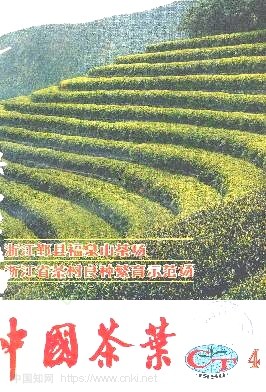
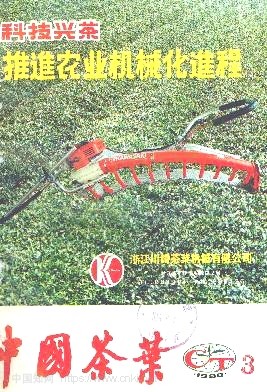
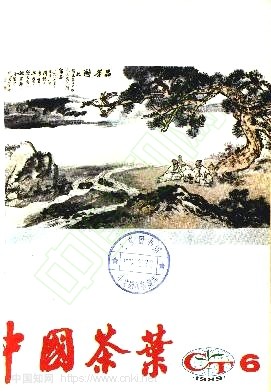
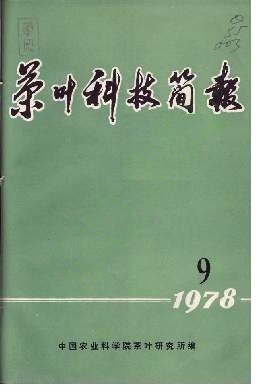
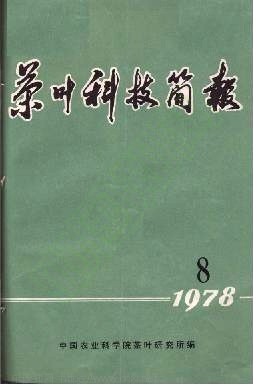
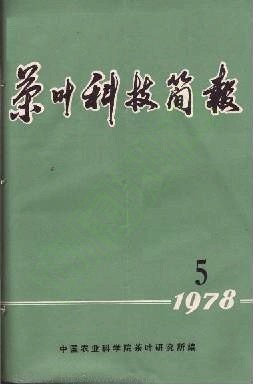
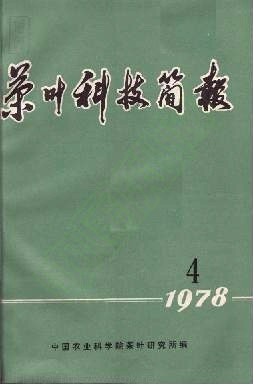
China Tea
China Science and Technology Core Journal, China Core Journal of Agriculture and Forestry, China Core Applied Journal
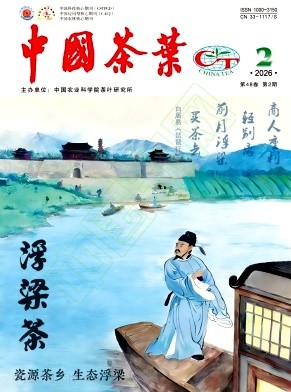
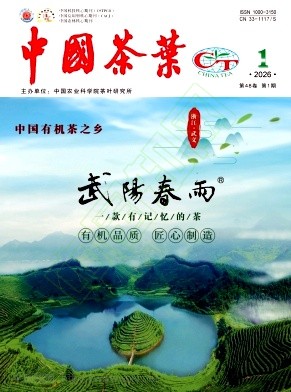
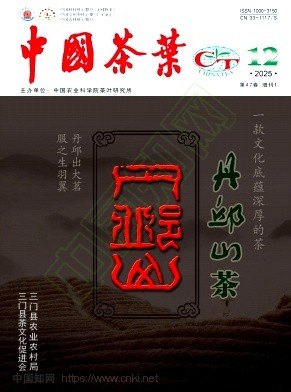
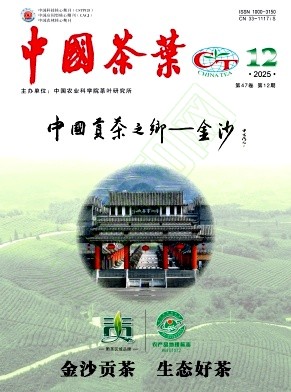
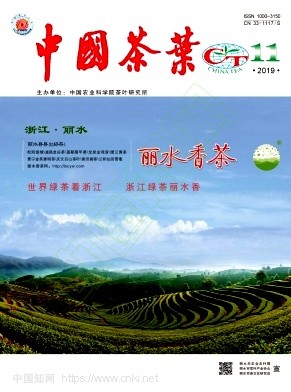
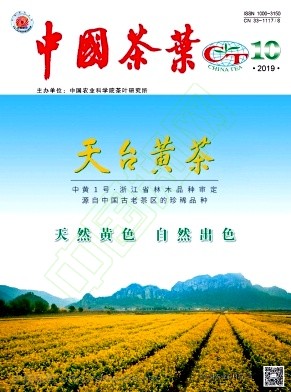
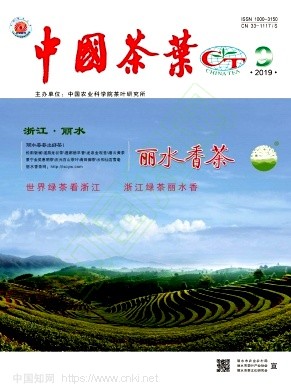
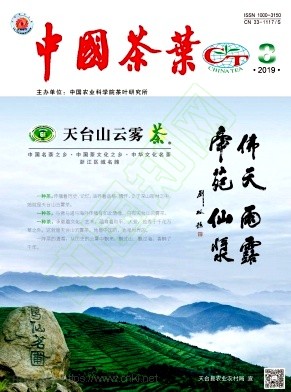
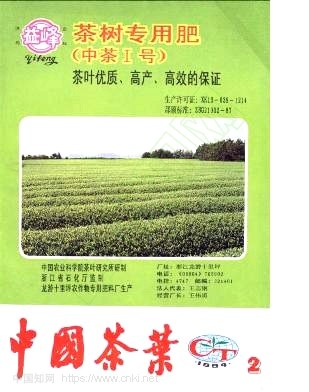
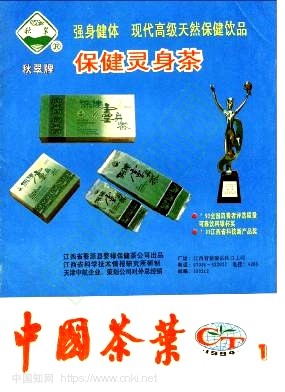
Supervised by the Ministry of Agriculture and Rural Development, Tea Research Institute Chinese Academy of Agricultural Sciences, for the domestic and international public circulation of tea comprehensive science and technology journals. Its purpose is to report and promote the new results of tea research, new technology, promote tea culture, dissemination of tea information. It mainly reports the latest research results, practical technology and advanced experience in the fields of tea germplasm resources, breeding and cultivation, green prevention and control, physiology and biochemistry, quality and chemistry, functional components, tea processing, deep processing, machinery and equipment, tea and health, quality and standards. There are special articles, policies and regulations, thematic reviews, experimental research, economic management, technical guidelines, industry forums, history and culture and other columns.
This publication is open to the public, the domestic unified serial publication number: CN 33-1117/S, international standard serial publication number: ISSN 1000-3150. published on the 15th of each month. The price of each volume is 10 yuan, 120 yuan for the whole year, the post office can be subscribed all over the country, the postal code 32-34.
Address: China Tea, No. 9 Meiling South Road, Hangzhou, Zhejiang Province, 310008, China.
Tel: 0571-86650241, 86650590 (Editor) 86650119 (Distribution) 86653166 (New Media, Advertising)
Submission platform: https://caya.cbpt.cnki.net/portal
Scan to follow the WeChat Official Account: "China Tea" (lD: chinatea197905) for more.
Research Progress on the Influence Mechanism of Pile-Fermentation on Dark Tea Quality
BAI Silei;WANG Chao;XIE He;LIU Zhonghua;HUANG Jian'an;Yuelushan Laboratory;Pile-fermentation is the critical process for the formation of the characteristic quality of dark tea. Its essence lies in the continuous and complex transformation of tea inclusions under the combined effects of moist-heat and microorganisms, ultimately forming the unique color, taste and aroma of dark tea. In recent years, research on the pilefermentation of dark tea has gradually expanded from traditional process parameter optimization and compositional change analysis to multi-omics, functional microorganisms, and quality formation mechanisms. This paper systematically reviewed the characteristics of various dark tea fermentation processes, focusing on summarizing the material basis for the formation of color, taste and aroma quality during pile-fermentation, as well as the involvement mechanisms of moistheat effects, enzymatic reactions and microbial metabolism. It also analyzed the current status and major bottlenecks in the development of process regulation technologies. The related research provided a theoretical basis for a deeper understanding of the quality formation patterns during dark tea pile-fermentation, the screening of key process indicators,and the improvement of processing stability.
Recent Advances in Tea Polyphenol-Based Materials for Wound Repair
YANG Lumin;QIAN Yiyue;WU Guosheng;FAN Minghao;LI Quan;JIN Ge;WU Yan;WANG Yijun;High-quality healing of chronic and refractory wounds remains a challenge in clinical treatment and wound dressing development. Diabetic wounds, infected wounds, burn wounds, and radiation-induced skin injuries are often associated with oxidative stress, bacterial infection, prolonged inflammation, insufficient angiogenesis, and abnormal matrix remodeling. Conventional single-function dressings are therefore difficult to meet the needs of complex wound microenvironment regulation. Tea polyphenols, especially epigallocatechin-3-gallate(EGCG), have antioxidant, antibacterial, anti-inflammatory, pro-angiogenic, and collagen-regulating activities. Incorporating tea polyphenols into wound repair materials can improve their stability, local retention, and controlled release, and provide multiple functions for wound repair. This review summarized the major types, construction principles, mechanisms, and wound-specific applications of tea polyphenol-based materials, and discussed future directions in green manufacturing, safety evaluation,controlled degradation, and artificial intelligence-assisted design. It provided a reference for the high-value utilization of tea resources and the development of natural polyphenol-based functional wound dressings.
Theoretical and Practical Research on Realizing Carbon Sink Value of Tea Plantations
GUO Shen'ao;LIN Mengxing;HONG Qingyu;ZHU Di;YANG Wenzhi;ZHOU Xicheng;CHEN Fuqiao;PAN Changjian;As an agroecosystem that integrates both ecological and economic benefits, tea plantations possess substantial carbon sink potential. This study clarified the concept of tea plantation carbon sinks, systematically outlined the internal logic underlying the realization of their carbon sink value, and dissected the theoretical mechanisms governing such value realization. It further synthesized typical value realization models for tea plantation carbon sinks, including intra-industry trading, carbon sink market trading, financial mortgage-based credit granting, and ecological compensation for tea plantations, accompanied by analyses of corresponding practical cases. On this basis, the paper examined the challenges of realizing the carbon sink value of tea plantations from the perspectives of awareness, technology, policy and market,and proposed countermeasures and recommendations, with the aim of providing a reference for advancing the carbon sink value realization of tea plantations.
Research Progress on the Application of Spectroscopic Techniques in Tea Geographical Origin Traceability
CHENG Yuan;NI Dejiang;LIANG Pei;ZHANG Ting;YU Zhi;ZHANG De;Authenticating the geographical origin of tea is essential for geographical indication protection and market regulation. Near-infrared spectroscopy(NIR), Raman/surface-enhanced Raman spectroscopy(Raman/SERS), and hyperspectral imaging(HSI) have become important techniques for tea origin traceability because of their rapid, nondestructive, and high-throughput analytical capabilities. This review systematically summarized recent applications of these three spectroscopic techniques for tracing the geographical origin of tea, with particular emphasis on spectral preprocessing, feature selection and multi-source data fusion. Comparative analysis indicates that NIR is suitable for large-scale rapid screening, Raman/SERS provides high sensitivity for molecular vibrational fingerprint recognition,and HSI enables the simultaneous acquisition of spectral and spatial information, thereby offering multidimensional features for origin discrimination. These techniques are highly complementary in chemical composition characterization,molecular fingerprint identification, and spatial information acquisition. However, current studies still face several challenges, including insufficient sample representativeness, limited cross-year model generalization, and inadequate model interpretability. Future research should focus on strengthening the construction of standardized sample databases,promoting the development of explainable artificial intelligence, multi-source spectral fusion, and portable detection technologies, and facilitating the practical application of tea origin traceability.
Practical Effects and Optimization Paths of the Construction of Large-Scale Registered Tea Bases for Export
PENG Zhengguang;XIE Hujun;YI Zhengxuan;WANG Xiaoli;YUAN Yong;ZHANG Qing;TANG Zhihua;Technology Center of Changsha Customs;Hunan Business College;As a major global tea producer and exporter, China's tea export industry has long faced the developmental challenge of being "large in scale yet lacking core competitiveness", with significant issues including scattered tea plantation layout, unstable raw material supply, and sustained pressure from trade barriers. Large-scale registered tea bases for export represent an innovative industrial supervision and development model led by customs authorities and coordinated by local governments. They also serve as a creative measure to tackle bottlenecks in tea exports and advance the quality improvement and upgrading of the whole industry. Based on the construction practices of large-scale registered tea bases for export in Jiangxi, Hunan and other provinces, this paper analyzed the practical effects from three dimensions:customs supervision, industrial development and corporate efficiency growth. It further identified prominent deficiencies in institutional framework, regional adaptability, vitality of market entities and technical supervision. Combined with the real development status of the industry, this paper put forward targeted optimization paths from four perspectives:institutional improvement, model optimization, empowerment of market entities and upgraded supporting mechanisms.
Research on the Application of HACCP in Xinyang Maojian Tea Production
LIANG Shaoru;QU Zheng;ZHU Deyan;DANG Yongchao;YI Chao;JIANG Shuangfeng;This study took WX Company, a Xinyang Maojian tea processing enterprise, as the research object. Full-process hazard analysis was carried out, aiming at various safety risks existing in the processing procedure, critical control points(CCP) were identified, and supporting monitoring, corrective action and verification procedures for CCPs were formulated. A HACCP control system matching the processing technology of Xinyang Maojian tea was constructed, and its application effect was evaluated subsequently. Through experimental analysis, four CCPs were ultimately confirmed:fresh leaf acceptance(CCP1), re-drying(CCP2), inner packaging material acceptance(CCP3) and finished tea cold storage(CCP4), forming a dedicated HACCP control scheme for Xinyang Maojian tea production. After the enterprise implemented this HACCP system, the five-year cumulative growth rates of finished product inspection pass rate,centralized procurement bid-winning rate, customer satisfaction and the pass rate of food safety assessments for practitioners reached 3.73%, 3.87%, 19.13% and 7.50% respectively, with a remarkable increase in the enterprise's brand value. In conclusion, the HACCP control scheme developed in this study was compatible with the production technology of Xinyang Maojian tea. It effectively improved the food safety management standard of Xinyang Maojian tea production and provided references for domestic green tea processing enterprises.
Effects of Different Fixation Methods on the Formation of Flavor Quality of 'Baiye 1' Green Tea
LIU Liping;SHAO Mei;ZHANG Kexing;TU Zheng;LIU Zhengquan;PAN Yuanqing;Huzhou Academy of Agricultural Sciences;In this study, the drum rolling machine, straightening machine, and flat tea frying machine were used to perform fixing treatment on the fresh tea leaves of 'Baiye 1'. Through sensory evaluation, colorimetric measurements and taste and aroma component analysis, the effects of the three fixation methods on the color, taste, and aroma quality of 'Baiye 1' green tea were systematically compared. The results indicate that the straightening machine demonstrated the best performance in color, achieving a sweet and mellow taste, and preserving floral aroma characteristics. Although the drum rolling machine and flat tea frying machine effectively removed grassy odors, they showed slightly inferior results in sensory quality and flavor compound retention. This research provided a theoretical basis and technical support for the targeted processing and quality improvement of 'Baiye 1' green tea.

































A Study on the Mechanism of University Professional Teams Empowering the Upgrading of the Mountainous Tea Industry Under the "Three Tea Coordination" Framework——Based on the Practice in Three Counties of Wenzhou
JIN Kexin;QIU Lixia;ZHANG Xinghai;Mountainous tea industry have long been plagued by structural dilemmas, including lagging technology application, fragmented cultural resources, and low integration of the industrial chain, manifesting a pronounced contradiction between "abundant resources" and "underdeveloped industry." Based on six years of service practice experience in the three counties of Taishun, Pingyang and Wencheng in Wenzhou, the research constructed an analytical framework of "knowledge-industry collaborative organization". It systematically elucidated the internal mechanism through which university professional expertise is embedded in the upgrading of the county-level tea industry, and distilled a four-dimensional driving mechanism encompassing technological standardization, cultural branding, industrial chain integration, and organized interest linkage. Practice in the three counties demonstrates that this mechanism has enabled the datafication of empirical tea processing techniques, catalyzed a "tea + cultural tourism" new business model,and enhanced the brand's premium capacity, through a "dual binding" interest mechanism, driven an average annual income increase of over 10 000 RMB for more than 10 000 tea farmers. By providing sustained knowledge spillover and organizational coordination, the university professional team has propelled the mountainous tea industry from primary raw material supply to full-chain value-added enhancement, offering a replicable action paradigm for the grassroots implementation of the "Three Tea" Integration strategy and the realization of common prosperity in mountainous areas.
[Downloads: 9 ] [Citations: 0 ] [Reads: 1 ] HTML PDF Cite this article
A Study on the Soil Nutrient Status and Overall Fertility Evaluation of Tea Gardens in Xinyang
JIANG Shuangfeng;LI Man;REN Taiyu;CAI Yiming;DANG Yongchao;FENG Yu;LI Junling;GAO Fengguang;LIU Guofeng;YI Chao;CHEN Zhiyun;To investigate the soil nutrient indicators and comprehensive fertility status of tea gardens in Xinyang, surface soil samples were collected from five major tea-producing counties in Xinyang. The p H, organic matter, total nitrogen,available phosphorus, available potassium, and trace nutrient elements were measured, and the soil comprehensive fertility was evaluated. The results show that the average soil p H in Xinyang tea gardens was 4.85. The average contents of soil organic matter and total nitrogen were 14.34 and 1.74 g/kg, respectively. While the average contents of available phosphorus and available potassium were 40.96 and 241.86 mg/kg, respectively. The average contents of total nitrogen,available phosphorus, and available potassium met the standards for high-quality and high-yield tea gardens, but the organic matter content was generally low. The contents of trace elements calcium, magnesium, zinc, iron, copper, and manganese in the soil were 923.56, 264.22, 2.93, 228.67, 1.19 and 66.05 mg/kg, respectively. All were at suitable or higher levels except for available copper. The soil fertility comprehensive index ranged from 0.42 to 0.82, with an average of 0.55, indicating that the overall soil fertility status was at a medium-to-high level. The study reveals that the soil in Xinyang tea gardens was rich in macronutrients but exhibited uneven spatial distribution of micronutrients. Therefore,efforts should be intensified in soil testing and formula fertilization, with scientific and precise fertilization plans formulated based on the actual needs of the tea gardens.
[Downloads: 73 ] [Citations: 0 ] [Reads: 11 ] HTML PDF Cite this article
Research on High-Quality Development Path of Tea Industry in Wangcheng District from the Perspective of Tea-Culture-Tourism Integration
ZHANG Liangyuan;WANG Xu;LIU Yuxuan;YANG Rui;XUN Shuofeng;Under the policy background of rural revitalization and the integrated development of the primary, secondary and tertiary industries, the tea-culture-tourism integration has become the core path for the transformation and upgrading of the traditional tea industry and its realization of high-quality development. Wangcheng District in Changsha City boasts high-quality tea industry resources, a rich cultural and tourism heritage, and favourable geographical conditions. Relying on technological empowerment, the district has initially established an integrated development system of "tea industry +tourism + rural revitalization", becoming a typical model for the transformation and upgrading of regional characteristic agriculture. Based on the core connotation of the integration of tea culture and tourism, this article systematically analyzed the current development status and resource advantages of the tea industry in Wangcheng District. It deeply sorted out the practical problems existing in the process of industrial integration, such as single business format, insufficient brand potential, short industrial chain, and weak talent reserve. Combined with the actual development of the region, from six dimensions including business model innovation, brand building, industrial chain upgrading, technological empowerment,talent cultivation, and mechanism improvement, a high-quality development path suitable for the tea industry in Wangcheng District was proposed, providing theoretical references and practical lessons for the in-depth integration of regional tea culture and tourism, the quality improvement and efficiency enhancement of the tea industry, and the comprehensive revitalization of rural areas.
[Downloads: 143 ] [Citations: 0 ] [Reads: 21 ] HTML PDF Cite this article
Challenges and Breakthrough Strategies for the Application of Agricultural Machinery in Mountain Tea Gardens in Southern Jiangxi
LIU Yueqing;XIE Xiangyu;XIE Feng;ZHU Wenfeng;LIU Zhiyuan;LUO Qianqian;HUANG Suchan;LI Dan;MIAO Chaoqun;WANG Yuping;With the shortage of rural labor and rising production costs becoming increasingly prominent, the urgent need to advance tea garden mechanization has emerged as a key priority for the development of the tea industry in southern Jiangxi. This paper systematically reviewed and analyzed the current status and challenges of agricultural machinery application in tea gardens in southern Jiangxi, and proposed breakthrough strategies and future prospects, including strengthening the deep integration of agricultural machinery and agronomy, improving policy support and socialized service systems, and innovating talent cultivation models. It is expected that there strategies would provide insights for enhancing the level of agricultural machinery application in mountainous tea gardens in southern Jiangxi, thereby promoting the high-quality development of the local tea industry.
[Downloads: 40 ] [Citations: 0 ] [Reads: 24 ] HTML PDF Cite this article
Exploring Pathways for Empowering the Tea Industry and Eco-Economic Development with Meteorological Technology——A Case Study of Xinyang Tea Region
LU Yiyan;To support the transformation and upgrading of Xinyang's tea industry and cultivate new quality productivity,this study, based on policy analysis and field research, identified the meteorological service needs across the entire chain of Xinyang's tea industry. Using the SWOT analysis method, it examined the current situation of meteorological technology empowerment. Furthermore, by integrating system analysis and typical case studies, the study explored pathways for establishing an integrated "space-air-ground" monitoring network, developing customized meteorological service products for all links in the tea industry chain, and promoting the development of an eco-economic model.Through policy guidance and practical exploration, the study achieved accurate forecasts for the spring tea harvesting period, upgraded meteorological services for tea-related cultural tourism and wellness, and implemented climate quality certification for Xinyang Maojian tea. This has significantly enhanced tea quality, output value and brand value. The research shows that meteorological technology is essential for cultivating new quality productivity in the tea industry.It requires systematic construction, product innovation, collaboration between multiple parties, and enhanced support through top-level design and technological breakthroughs, ultimately forming a replicable and scalable experience.
[Downloads: 72 ] [Citations: 0 ] [Reads: 16 ] HTML PDF Cite this article
Analysis of China's Tea Production and Domestic Sales in 2022
MEI Yu;ZHANG Shuo;In 2022,the area of tea gardens in China increased steadily and slightly,the growth rate of tea production continued to increase steadily,the agricultural output value maintained growth,and the tea product structure developed in a balanced way.The total area of tea gardens in the 18 major tea-producing provinces was 3.3303 million hm2.The national total output of tea was 3.1810 million tons,and the national total output value of tea was 318.068 billion yuan Based on the survey of the main tea production and marketing areas in China in 2022,the article systematically collated and compared the production and sales data of China's tea industry in the past two years,and comprehensively sorted out the current production and sales situation of the national tea industry from the perspectives of tea production and sales.Suggestions were also given on the development direction of the tea industry in the future.
Current Situation and Development Trend of Novel-tea Beverage Industry
YIN Junfeng;Novel tea beverage is the third most common tea consumption pattern, which is after freshly-brewed hot tea and commercial bottled tea beverage. The development of novel tea beverage has boomed in recent years. It has become one of the most important ways to solve the imbalance between the production and consumption of tea.In this review, the concept, main categories, characteristics, current situation, and development trend of novel tea beverage are introduced. It provides the future innovation and sustainable development of novel tea beverage.
Analysis of Novel-tea Brand Extension Strategy——Take Heytea as an Example
ZHANG Linfang;With the increasingly fierce competition in the new tea market, many new tea brands are facing problems such as product homogenization, accelerated product replacement and shrinking market share. Brand extension is considered to be an important strategy to stabilize the brand position and improve the purchasing intention of young consumers. This study found that the main reasons for the success of Heytea are the strength of the parent brand, the marketing advertising and promotion of Heytea mini and the acceptance of consumers, the high quality of products,and the high brand fit between the parent brand and its sub-brand. taking the new tea brand Heytea as the entry point,this study analyzed the analysis of the strategy of Heytea brand extension and successful reason, as well as the effect of the extension of Heytea, revealed its hidden dangers in the process of brand extension, and put forward corresponding countermeasures. This study provided useful information for other new tea brands in the development to more effectively cope with the complex market environment, to better capture the users' mind and to enhance the core brand competitiveness.
China Novel-Tea Drinks Industry Current Survey and Future Trend Analysis
YUAN Siyi;PENG Jinyan;YANG Chen;SI Liqi;HOU Ruyan;Anhui Agricultural University;Joint Research Center for Food Nutrition and Health of IHMy;In recent years, the novel tea beverage industry has experienced significant growth and has become an important component of modern beverage consumption. In contrast to the standardized and convenient nature of traditional bottled tea, the new tea beverage emphasizes innovation, customization, and social interaction, aligning with the branding and social desires of today's youth. Nevertheless, with the continuous expansion of the industry, the homogenization of beverage formulas has become increasingly serious, the degree of industry standardization is relatively low, and potential health risks are gradually becoming prominent. This study provided a comprehensive overview of the consumer questionnaire methodology through the examination of two distinct sample populations. Data from 112 and 203anonymous questionnaires were analyzed, specifically targeting the student population and the broader consumer population, respectively. The questionnaire was carefully designed to encompass a broad spectrum of topics, such as brand patronage and recall rates, preferred tea types, preferred tea base, consumption frequency, sugar level preferences,fruit tea preferences, and health concerns. The aim was to acquire a comprehensive understanding of consumer acceptance of novel tea beverages, as well as their related preferences and circumstances. This study conducted a comprehensive analysis of the current state and evolving trends within the new-style tea beverage industry, employing a literature review to examine various aspects such as product innovation, consumer market preferences, health considerations, industrystandard development, and digitalization trends. Taking into account these factors, we aimed to explore potential future development directions and innovative opportunities within the New Style Tea & Beverage industry, ultimately provide strategic recommendations to foster its sustainable growth.
Bulletin Board
News & Events
Links
Downloads
Advertising
Enterprises and institutions that have the need to promote their products, publicize regional brands, launch exhibitions and solicit business information for tea producers, production enterprises, professional cooperatives and tea enthusiasts are welcome to contact us for advertising and publicity cooperation. At the same time also welcome to journal co-organizer or other forms of cooperation.
Advertising and business cooperation contact phone: 0571-86653166, 86651497.

Page Views
Page visits today: 12